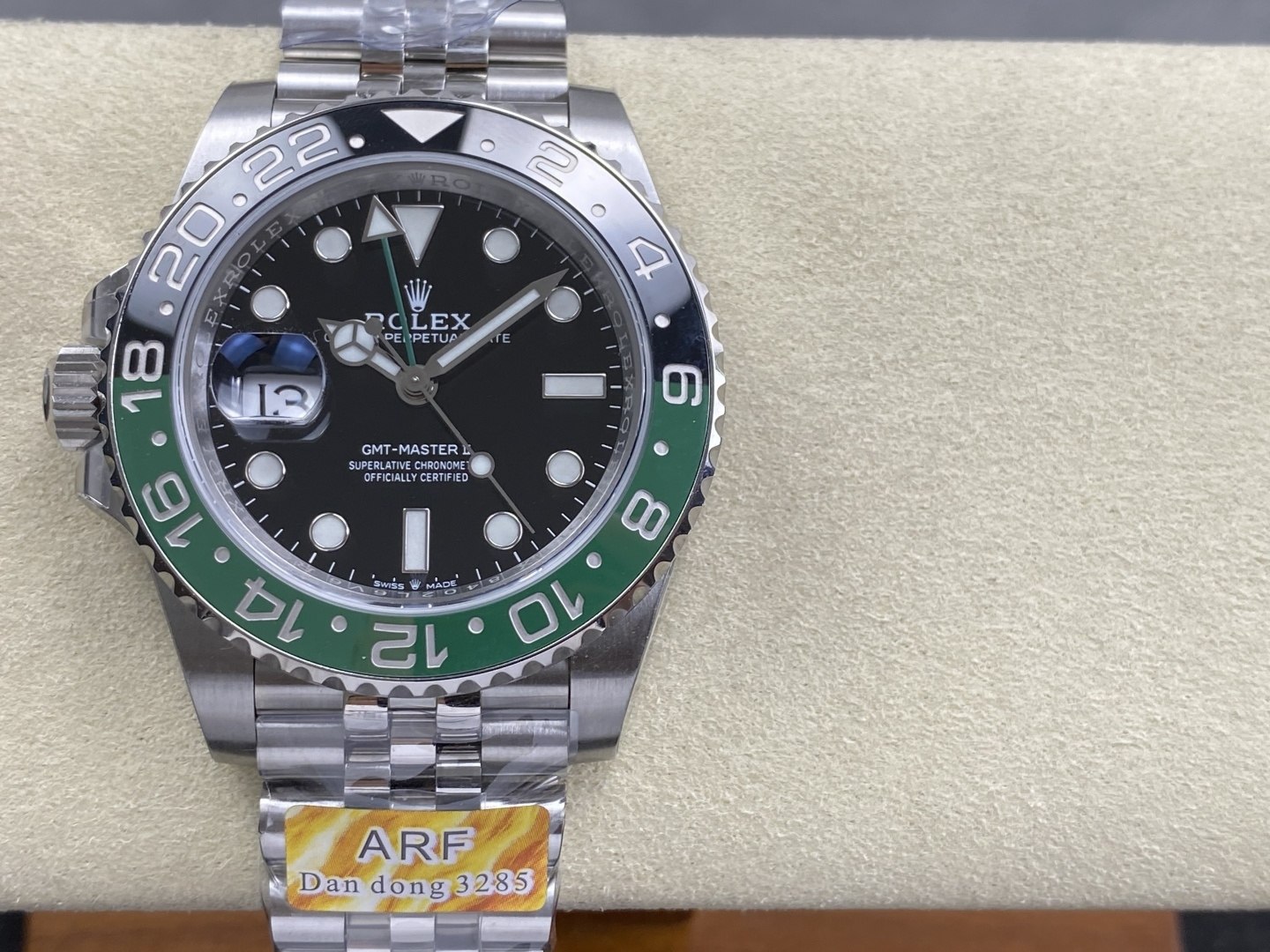
Factory terminology · Rolex configuration desk
Clean Factory is a useful catalogue label only when it remains attached to a specific model, version, component set and current QC record.
Clean Factory superclone searches: resolve the model before the factory
Searches such as “clean factory superclone,” “clean superclone,” “clean factory watches” and “Rolex superclone Clean Factory” describe broad commercial intent, but they do not identify one watch. A useful comparison begins with the Rolex reference family, case material, dial, bezel, bracelet and movement description. Only then does the factory or version label help distinguish catalogue configurations.
This order matters because a GMT-Master II-style watch, Daytona-style chronograph, Submariner-style dive watch and Datejust-style configuration expose different checkpoints. One generic ranking list cannot judge all four. The correct question is not simply which factory name is best; it is which recorded configuration matches the chosen reference and which evidence accompanies the exact unit.
Build a factory-and-version record that can be checked
Save the product URL and selected options with the order. If a seller describes an updated crystal, bezel insert, dial, case or bracelet, the final QC should show that component clearly. If a different factory or batch is substituted, the record should be updated before approval rather than leaving the original label on the order.
Model-specific checkpoints for Clean Factory Rolex configurations
| Model family | Priority visual checks | Functional or measured evidence |
|---|---|---|
| GMT-Master II | Bezel colours and alignment, GMT hand, date, cyclops, rehaut and bracelet fit | Setting sequence, date transition and GMT-hand operation |
| Submariner | Bezel insert, pearl, dial alignment, crown guards, bracelet and clasp | Bezel rotation, crown operation and a separate pressure test if required |
| Daytona | Tachymeter, subdials, hand stack, pushers, case profile and clasp | Start, stop and reset video; timing evidence where offered |
| Datejust / Explorer | Dial printing, markers, bezel, date, cyclops, case and bracelet symmetry | Crown, winding, setting and date-change sequence |
How to read Clean Factory movement claims
A genuine Rolex calibre number is a reference baseline, not automatic proof of the movement installed in a superclone. Ask whether the listing describes a clone architecture, a decorated movement, a functional layout or a broader marketing designation. A closed caseback photograph cannot establish internal architecture.
For service planning, plain language is more useful than a label. Record the movement stated for the SKU, what routine regulation or servicing is possible, and whether replacement components are available. When timing or power reserve matters, retain a dated unit record instead of copying a genuine-watch figure into the product file.
A repeatable QC sequence
- Confirm the complete reference-style configuration and version
- Request level front, side, caseback and clasp photographs
- Inspect dial, bezel, rehaut, date and bracelet from matching angles
- Use one concise video for crown and complication operation
- Keep measurements and tests tied to the SKU or unit
- Record substitutions before giving final approval
Review the current GMT-Master II 126720VTNR Sprite configuration as an example of why model identity comes first. Its GMT display, bezel orientation and date presentation require a different approval sequence from a Daytona or Datejust.
Questions from search
